As of August 2024, a significant current event topic in Singapore is the ongoing discussions and developments regarding the country’s approach to sustainable urban planning. Singapore has been actively working on its “Singapore Green Plan 2030,” which aims to enhance sustainability across various sectors, including energy, waste management, and green spaces.

The Singapore Green Plan 2030 is a comprehensive sustainability roadmap launched by the Singapore government to address environmental and climate challenges and to promote green living. It was introduced in early 2021 and aims to significantly enhance Singapore’s sustainability efforts over the next decade. Here are the key areas and goals of the plan:
- Sustainable Energy: Increase the use of solar energy and other renewable energy sources. The plan targets generating 2 gigawatts-peak of solar energy by 2030 and exploring the potential of emerging technologies like energy storage.
- Green Transportation: Promote the use of public transportation and electric vehicles (EVs). Singapore aims to phase out internal combustion engine vehicles by 2040 and to expand the network of EV charging points.
- Sustainable Urban Living: Increase the greenery in urban areas by planting more trees and creating more green spaces. This includes enhancing the existing greenery and integrating more nature-based solutions into urban planning.
- Waste Management: Improve waste management and recycling practices. Singapore targets reducing the amount of waste sent to landfills and increasing the overall recycling rate.
- Climate Resilience: Strengthen the city’s resilience to climate change impacts through measures such as enhancing coastal protection, improving drainage systems, and integrating climate resilience into urban planning.
- Green Economy: Support the growth of green businesses and sustainable industries to drive economic development while reducing environmental impact.
The Green Plan 2030 is part of Singapore’s broader commitment to the Paris Agreement and its aim to achieve net zero emissions as soon as possible. The plan involves collaboration across various sectors, including government agencies, businesses, and the community, to ensure comprehensive and effective implementation.
With recent news highlights include new initiatives for increasing green spaces within the city, the implementation of advanced technologies for managing energy and water resources more efficiently, and efforts to promote sustainable transport options. These initiatives reflect Singapore’s commitment to addressing climate change and improving urban livability.
Exciting times continue to be in Singapore’s future.



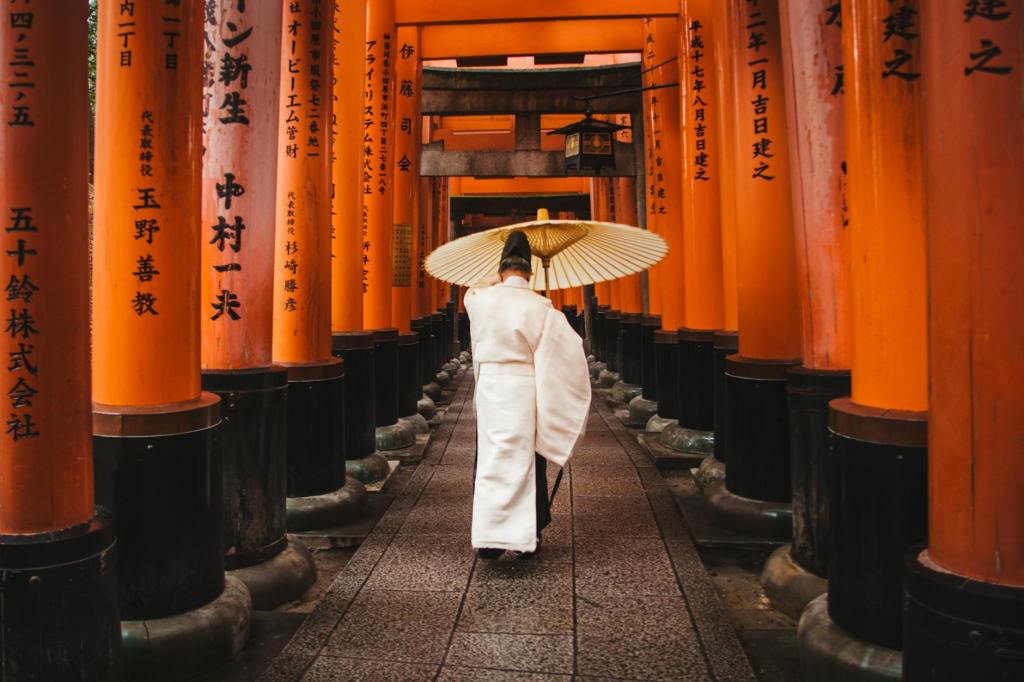



 One Cultura
Leave a comment