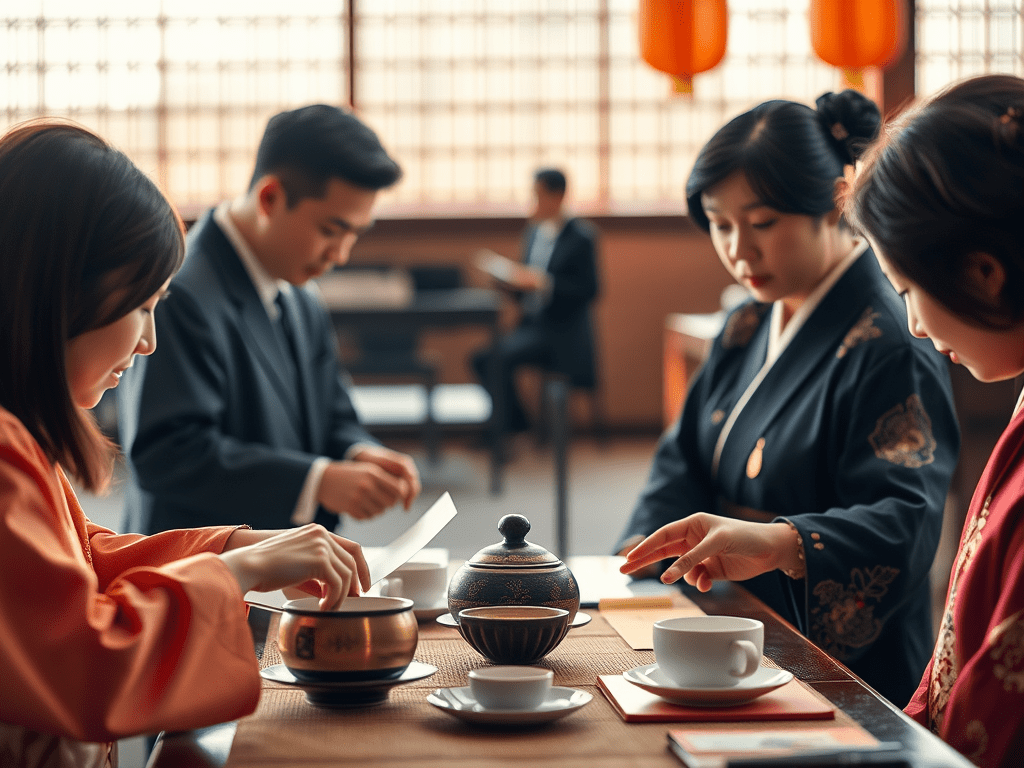

For me, East Asia is magical. Renowned for its rich tradition, history, and cultural values; East Asia offers a unique experience for travelers and business professionals. No matter if you’re just exploring Japan, China, Korea, or Taiwan, understanding basic etiquette and social norms can significantly reduce the likelihood of any misunderstanding with the local people and foster a sense of respect. Although each country has its own distinct customs, there are certain shared values such as respect for elders, modesty, and group harmony, permeate these cultures. Hopefully this guide serves as a valuable resource to help you navigate the cultural etiquette across these four captivating nations.
Japan: Respect and Subtlety
From direct experience, I can confidently say that manners are deeply ingrained in Japanese culture bringing respect and harmony to everyone in the community. Social norms, such as refraining from using cell phones or having loud conversations on trains, avoiding eating while walking, and standing on one side of escalators to allow others to walk all contribute to a sense of community. When you go against the norm, you will definitely stand out and not in a good way. Bowing is a common greeting that signifies respect. Bowing can be done in all social interactions. The depth of the bow indicates the level of respect shown. Bowing also blends in with other ways that are used to show respect in the business world. After bowing you would exchange business cards (meishi). Even a simple task such as handing a business card is given an opportunity to show respect. It’s customary to use both hands and take a moment to examine the card before placing it away respectfully.
Removing your shoes is considered polite and proper when entering home or certain establishments like restaurants or temples and even schools and certain businesses. In public places, maintaining a quiet and reserved demeanor is valued. Speaking loudly particularly on trains, is perceived as rude. Additionally, tipping is not customary and can even be considered offensive.
China: Hierarchy and Relationships
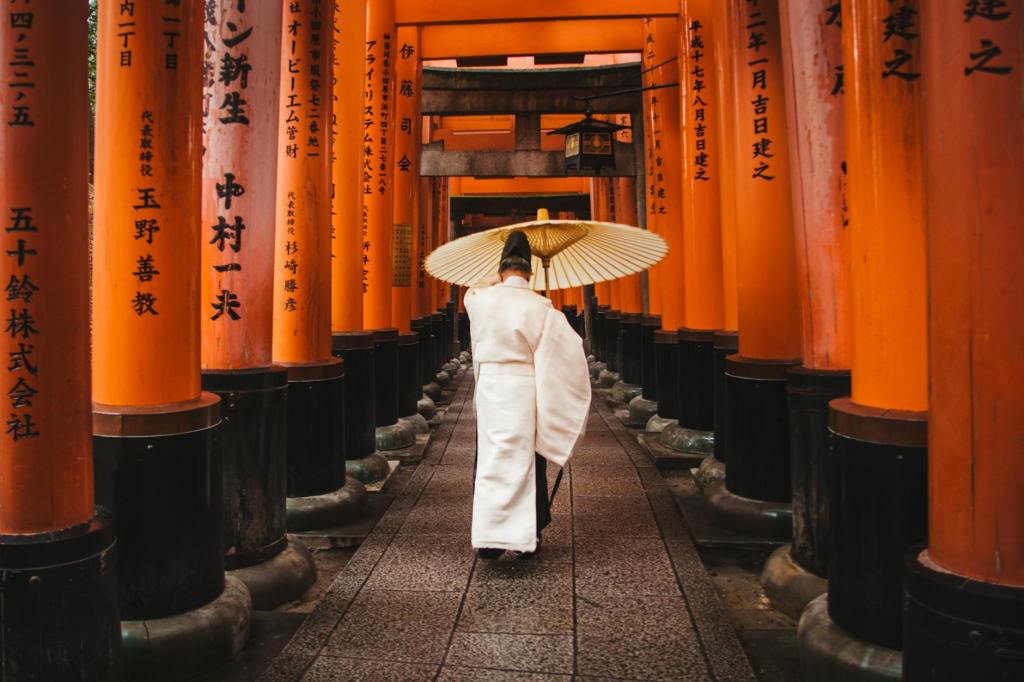
Respect for hierarchy and age is highly valued in China. When addressing an elder or superiors, it is essential and expected to use formal titles to conform with social norms. Similar to Japan, when exchanging gifts or business cards, it’s polite to use both hands. While gifts are appreciated, be careful and make sure the gift you are giving is not seen as a slight or even bad luck. Certain items like clocks, white flowers, and sharp objects should be avoided as they symbolize bad luck or separation within the culture.
During meals its customary to wait for the host to begin eating. It is also important to try every dish offered as it is expected. Speaking of eating, one must avoid sticking chopsticks upright in rice as this resembles incense used at funerals. Tipping is not a common practice in many areas but just like everywhere else, it is becoming more accepted in major cities.
Korea: Formality and Community
Korean culture places a strong emphasis on formality and age-based hierarchy. Watch any K drama on your favorite steaming app and you will hear this phrase eventually, “can we drop the honorifics?” It is a complex system on how to address another person based on age, role, gender, family dynamics, etc. When greeting someone it is custom to always bow slightly. Using formal titles and language especially when addressing elders or those in higher positions. Handshakes are common but are usually softer and accompanied by a bow.
While eating meals it is custom wait for the oldest person to begin eating before you. Pouring drinks for others, not yourself is expected. When offering or receiving anything, always use both hands. Its polite to turn your head slightly away while drinking when in company of someone who is older.

Taiwan: Courtesy and Humility
Taiwanese etiquette is a harmonious balance between traditional Chinese customs and the influences modern society. While politeness and humility are highly esteemed, there is a sense of moving on with the modern times. Handshaking to greet is very common and they are usually gentler instead of a firm handshake in western culture. Nodding or slight bowing are also considered polite gestures.
In Taiwan, it is customary to bring a small gift when entering another person’s home. Similar to China, it’s recommended to avoid items like clocks or handkerchiefs, and they are viewed as unlucky. During a meal, allow the host seat you and start the meal. Just like anywhere else in the world, complimenting the food is appreciated, and is acceptable to leave a little food on your plate to indicate that you’re full.
Final Tips
Across these four cultures that are very similar and distinct all at the same time, showing respect, actively listening, and being modest are essential to coexisting in the community. When in doubt, simply observe the behavior of the locals and follow their lead. Small gestures such as expressing gratitude in the local language or bowing slightly can make a significant impact. While perfection is not expected, trying demonstrates respect and that is always appreciated.






 One Cultura
Leave a comment