
While I am certainly no expert, my perspective on Japan is shaped by a unique lens. I lived there for two years as a child and still return to visit. Seeing the country through the eyes of a resident, and later as a visitor, has shown me just how much the reality of daily life differs from the stereotypes we often see on screen.
If you are planning a trip or just fascinated by the culture, here are seven common assumptions about life in Japan that deserve a little more context.
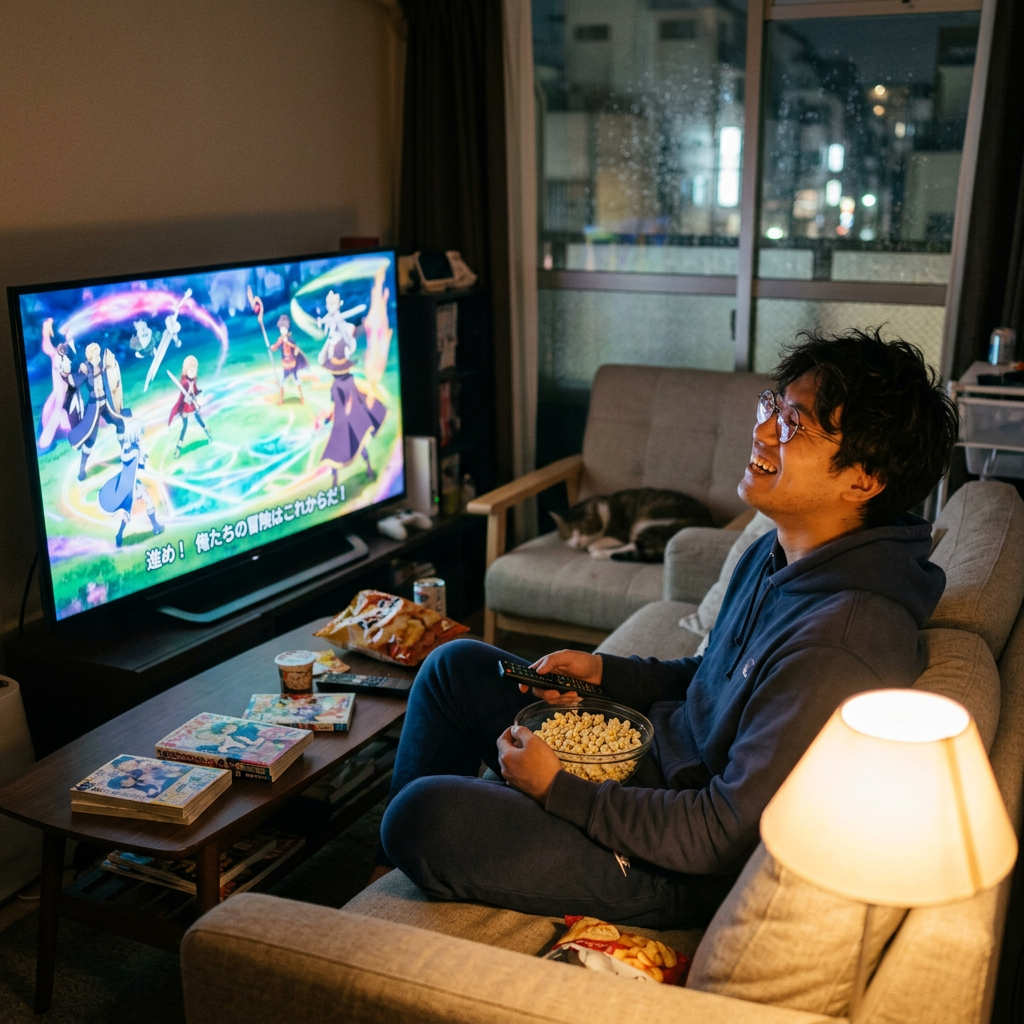
1. Everyone is obsessed with anime and gaming
While pop culture is a massive export, the average Japanese citizen is just as likely to spend their evening watching a baseball game, practicing a traditional craft, or enjoying a quiet dinner as they are to be reading manga. It is a part of the culture, but it is not the only culture.
2. The entire country is a futuristic metropolis
Tokyo is a neon-lit wonder, but step outside the capital and you will find a completely different pace of life. From the quiet, traditional streets of Kyoto to the rural farming communities in the Japanese Alps, much of the country is deeply connected to nature and history.

3. It is too expensive to visit
While Japan has a reputation for being pricey, it is entirely possible to travel on a budget. Delicious street food, reasonably priced train passes, and affordable business hotels make it accessible for almost any traveler if you plan ahead.
4. You must speak fluent Japanese to get by
While knowing a few phrases will certainly open doors and show respect, many people in major cities speak some English. Furthermore, the widespread use of translation apps and clear signage makes navigating the country easier than ever.
5. Japanese society is completely rigid
There is a strong emphasis on social harmony and following the rules, but that does not mean people are robotic. There is a vibrant, creative, and often deeply silly side to Japanese culture that you will only see once you spend time with locals.
6. The food is all raw fish
Sushi is incredible, but Japanese cuisine is vast. From hearty bowls of ramen and savory okonomiyaki pancakes to perfectly fried tempura and delicate seasonal vegetables, there is something for every palate—even if you do not eat seafood.
7. You will always feel like an outsider
While it is true that Japan is a largely homogenous society, the concept of omotenashi—selfless hospitality—means that visitors are often treated with incredible kindness. If you approach the culture with curiosity and respect, you will find yourself welcomed with open arms.
Life in Japan is a beautiful balance of the old and the new, the quiet and the chaotic. The best way to understand it is simply to experience it for yourself.









Leave a comment