Walk through almost any major American city today and you’ll notice something delicious: Asian food is everywhere.
From Korean barbecue and Japanese ramen to Filipino fried chicken, Thai noodles, Vietnamese bánh mì and Taiwanese soup dumplings, Asian food has become a major part of the American dining experience. And you don’t always have to travel to an Asian neighborhood to find it.
One of the most recognizable examples is Jollibee. The Filipino fast-food chain has been expanding across the United States, bringing favorites such as Chickenjoy, Jolly Spaghetti and Peach Mango Pie to an increasingly diverse audience. As of 2026, Jollibee lists more than 100 North American locations, with restaurants in cities including New York, San Francisco and Stockton.
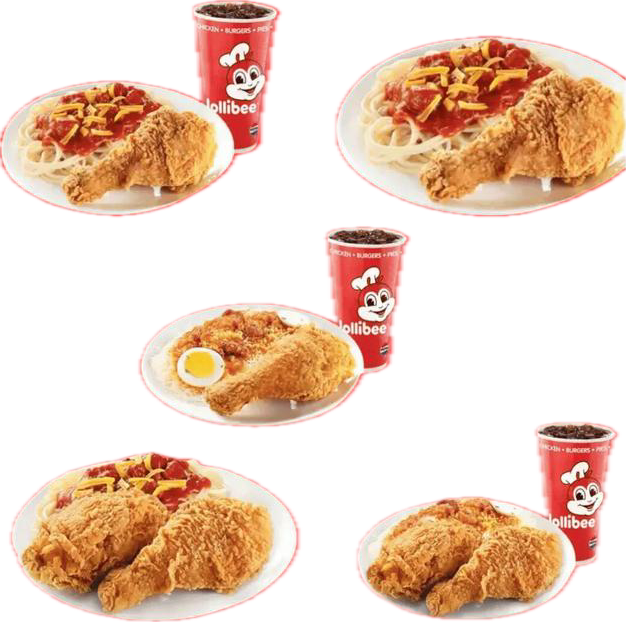
What makes Jollibee especially interesting is that it isn’t simply serving American fast food with a Filipino name. Its menu reflects Filipino tastes and traditions. Sweet-style spaghetti, crispy fried chicken with gravy and peach-mango pie give customers a chance to experience something distinctly Filipino while still feeling familiar.
And Jollibee isn’t alone.
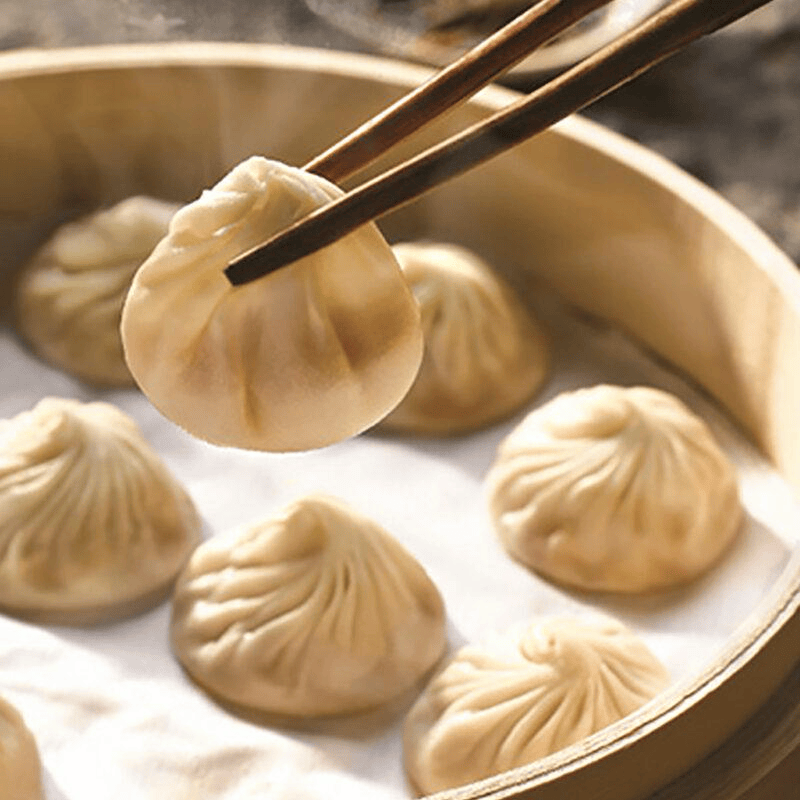
Din Tai Fung, the Taiwanese restaurant famous for its xiao long bao soup dumplings, has become another example of Asian food crossing into mainstream American dining. Its first U.S. location opened in Arcadia, California, in 2000, and the brand has continued expanding across the country.
Then there is Korean food. Korean barbecue, Korean fried chicken and dishes such as bibimbap and tteokbokki have become increasingly common outside traditional Koreatowns. Japanese ramen restaurants have done something similar, turning noodles and broth into a full dining experience.
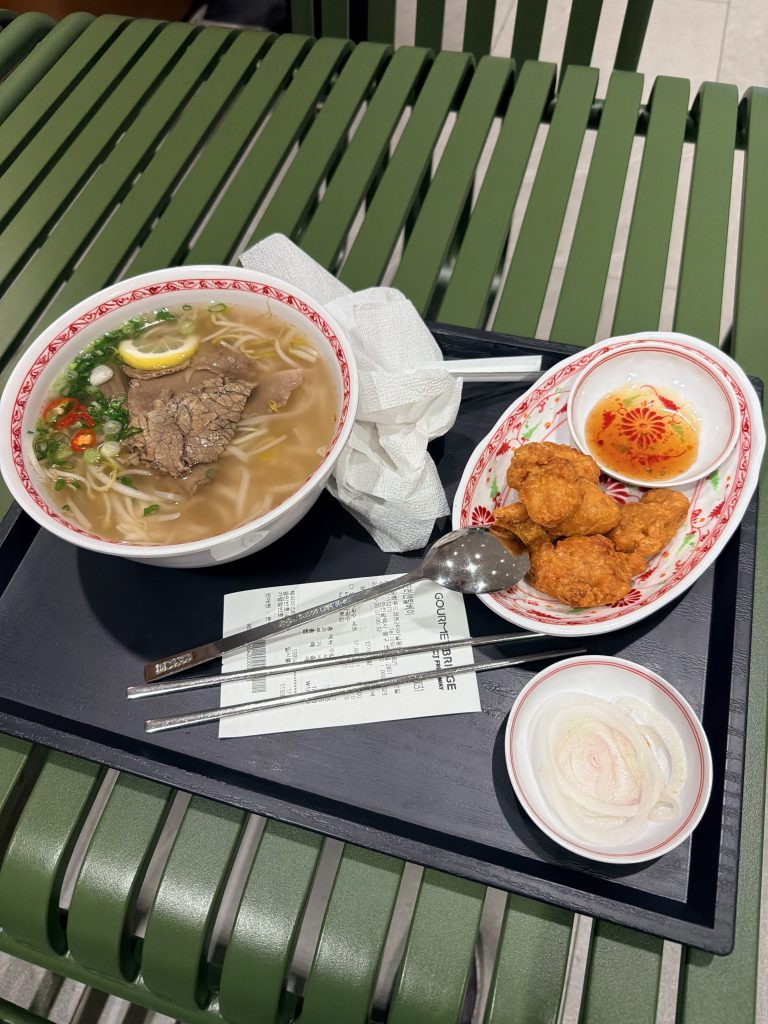
Vietnamese food has also found a strong place in American cities. Pho and bánh mì are now familiar to many Americans who may have never visited Vietnam.
But perhaps the most exciting part is what happens when these foods meet American culture.
Food trucks experiment with Korean Mexican tacos. Filipino chefs combine traditional flavors with modern techniques. Asian bakeries introduce customers to ube, pandan and matcha. Social media turns dishes that were once unfamiliar into viral food trends overnight.
This isn’t simply about restaurants opening more locations. It’s about people becoming more curious.
Someone might discover Jollibee because they saw it on TikTok, try Chickenjoy, become curious about Filipino food and eventually seek out a Filipino restaurant in their city. Another person might try ramen, discover Japanese cuisine and then become interested in Japanese music, travel or pop culture.
That’s the fun part.
Asian food isn’t just feeding American cities. It’s helping people discover Asian cultures one bite at a time.








Leave a comment